

How IoT sensors and real-time dashboards are transforming plantation management — from soil monitoring to automated weighing systems.
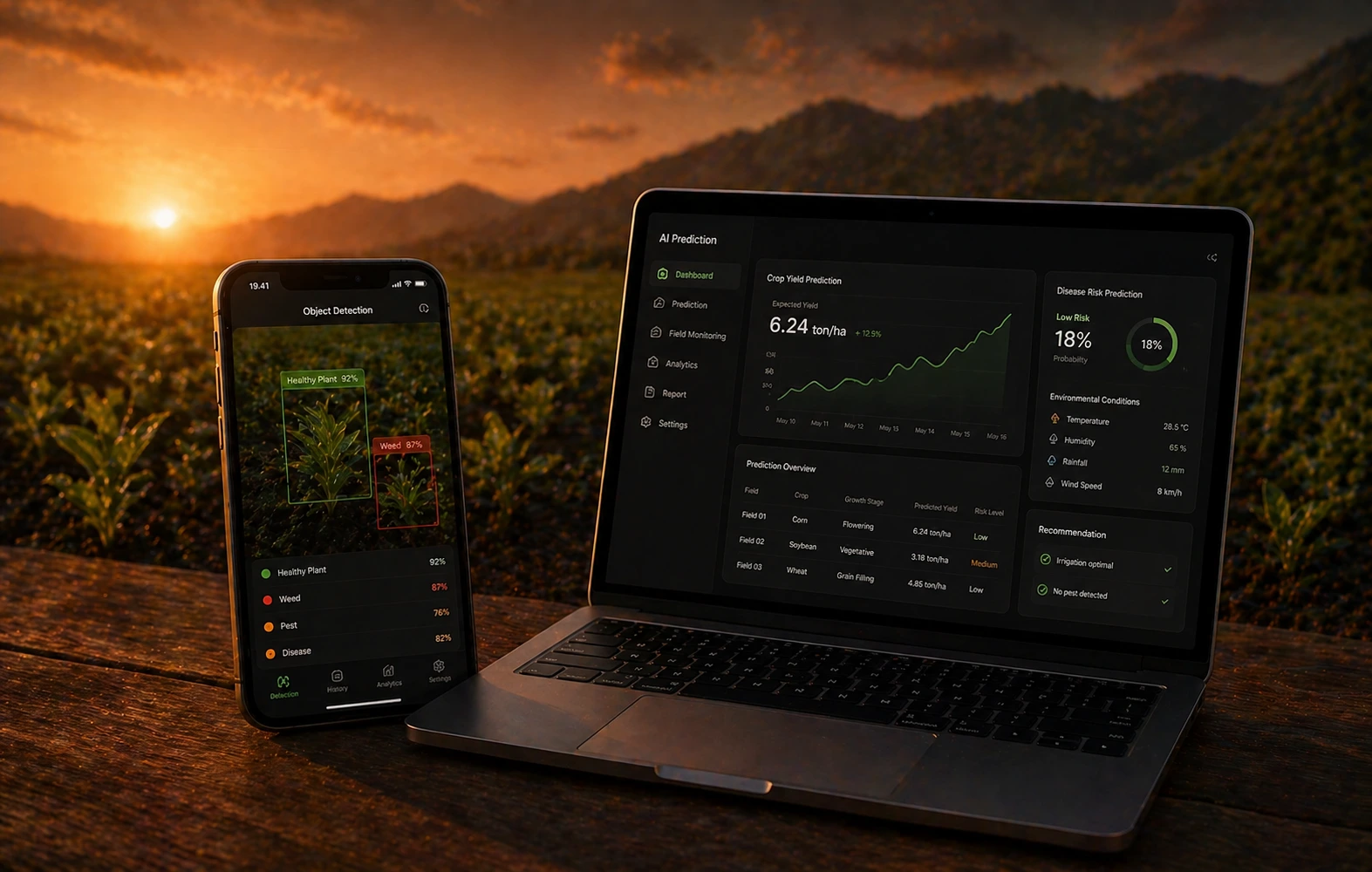
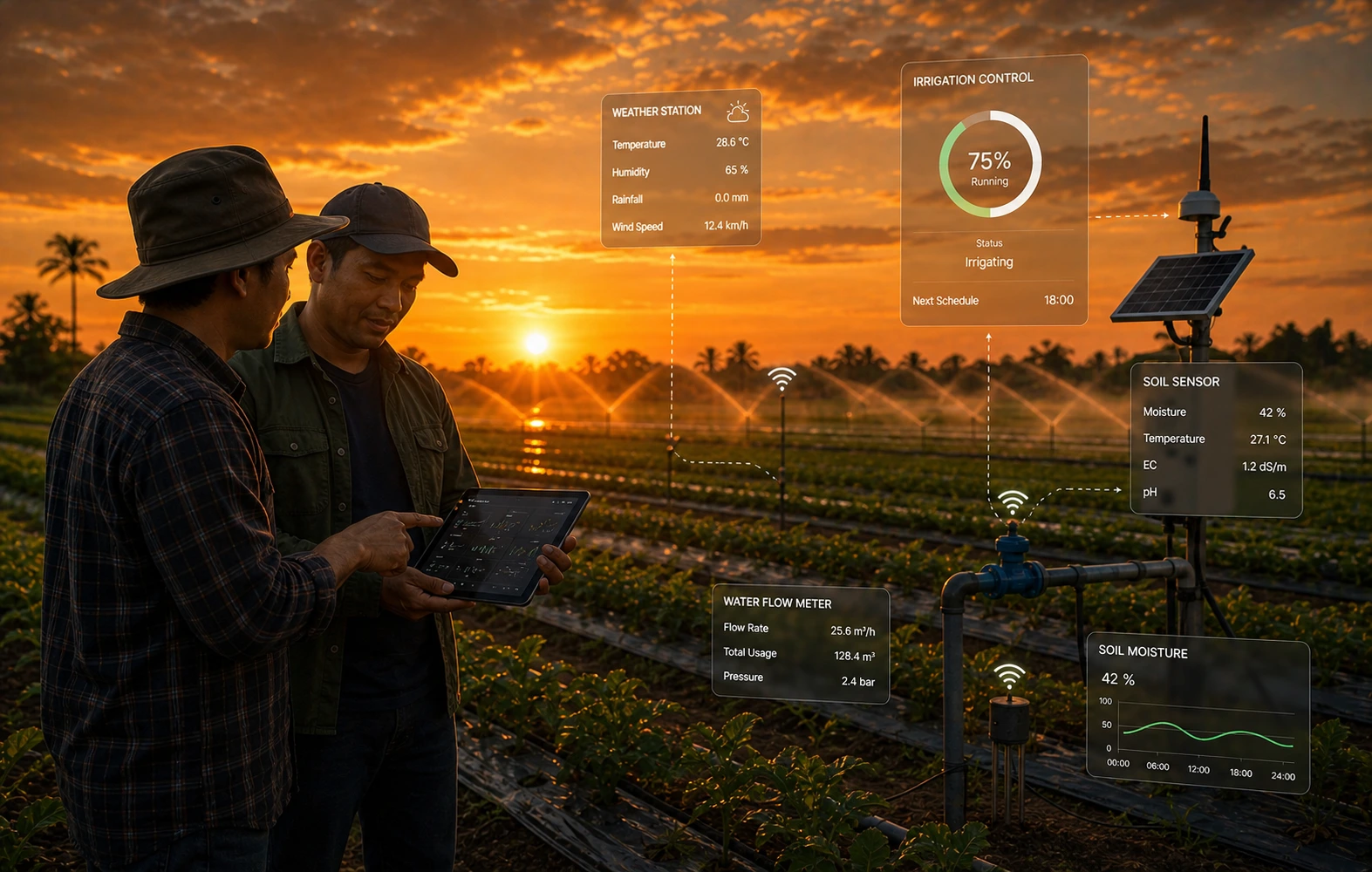
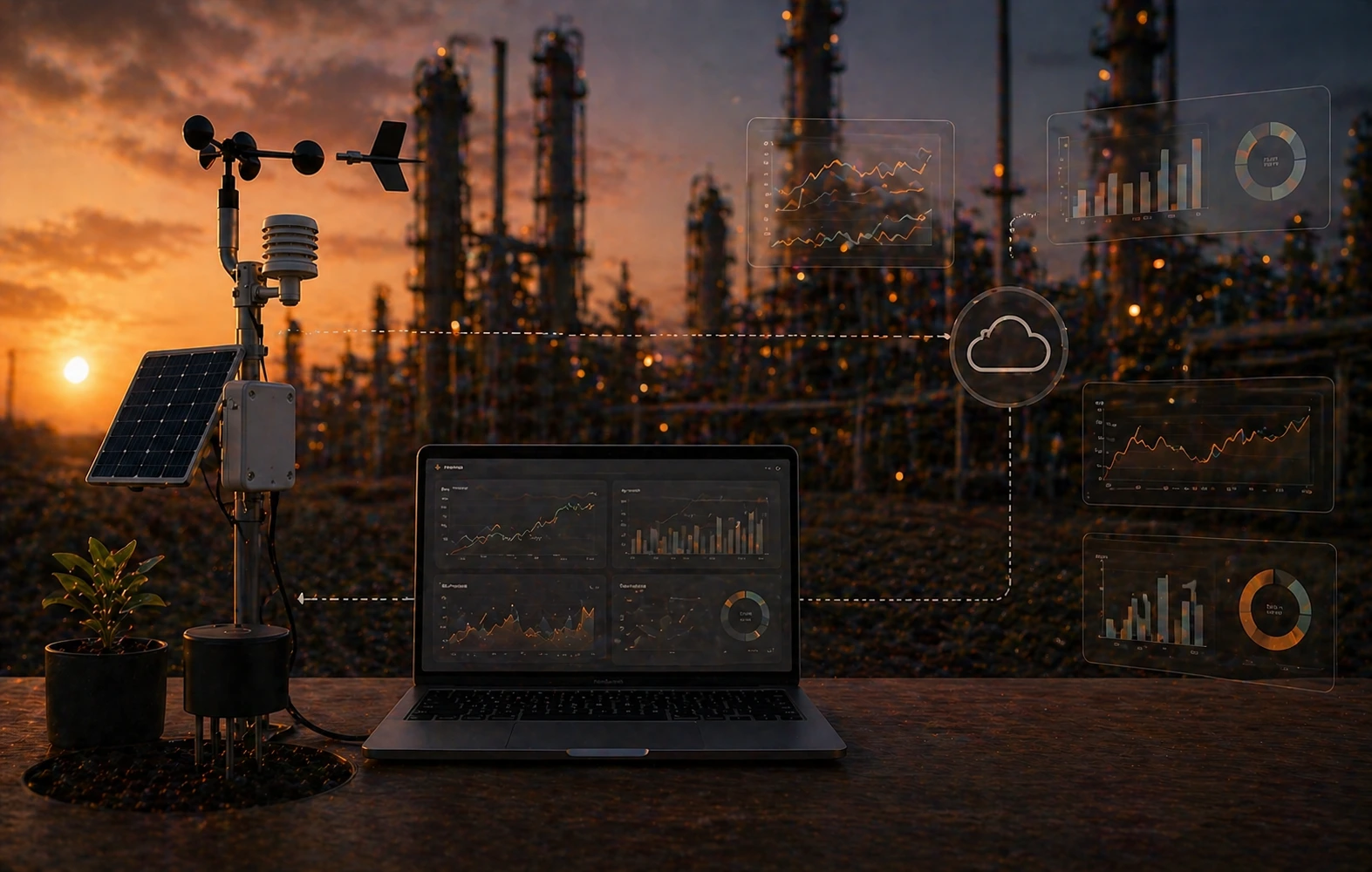
The agriculture industry is undergoing a quiet revolution. IoT sensors, wireless connectivity, and cloud dashboards are giving plantation managers visibility they never had before — from soil nutrient levels to real-time harvest weights.
In oil palm plantations, for example, connecting digital scales to a web platform eliminates manual data entry errors and speeds up data collection across hundreds of trial plots. Each weighing is timestamped, geotagged, and instantly available to the research team.
Key Takeaways
- IoT sensors eliminate manual data entry errors in field research
- Real-time dashboards give researchers instant visibility across all plots
- Soil nutrient monitoring enables data-driven yield correlation
- Connectivity investments pay off through faster, higher-quality research cycles
Soil sensors monitoring nitrogen, phosphorus, and potassium provide continuous nutrient data that researchers can correlate directly with yield performance. This closes the feedback loop between field conditions and agronomic decisions.
"The best technology is the one that is invisible, but makes life easier."
The result is not just efficiency — it is a fundamentally different quality of research data. When IoT replaces manual recording, outliers are easier to detect, trends become visible sooner, and decisions are grounded in evidence rather than estimation.